
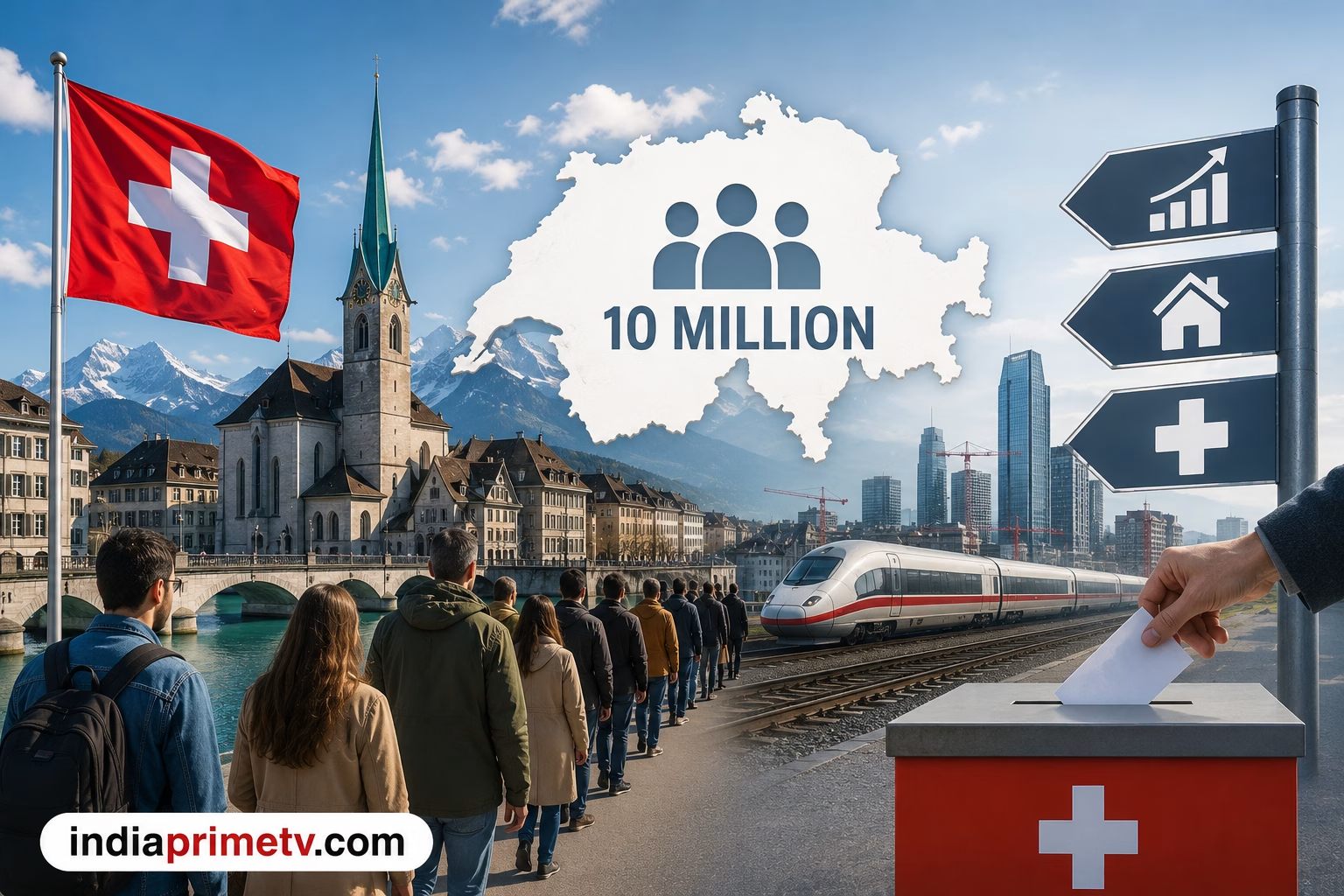
Anita Chauhan Indiaprimetv.com Switzerland’s historic referendum on capping its population at 10 million is far more than a domestic political debate. It has become a symbol of a growing global dilemma facing many developed nations: how to balance economic growth, immigration, infrastructure capacity, environmental sustainability, and national identity in an increasingly interconnected world.
If approved, the proposal would make Switzerland the first developed democracy to legally impose a constitutional limit on its population, setting a precedent that could influence immigration debates across Europe, North America, and beyond.
The vote comes at a time when many advanced economies are experiencing record levels of migration, rising housing costs, pressure on public services, and increasing political polarization over immigration policy.
Why Is Switzerland Considering a Population Cap?
Switzerland’s population currently stands at approximately 9.1 million and has grown significantly over the past two decades, largely due to immigration and foreign workforce inflows.
Supporters of the “Sustainability Initiative” argue that rapid population growth is creating multiple challenges:
- Housing shortages in major cities.
- Rising property prices and rental costs.
- Increased congestion on public transportation networks.
- Greater pressure on healthcare and education systems.
- Environmental concerns related to land use and infrastructure expansion.
The Swiss People’s Party (SVP), which supports the proposal, argues that without intervention, Switzerland’s quality of life, public services, and environmental sustainability could face long-term risks.
The Economic Counterargument
Opponents, including the Swiss government, business associations, and many economists, argue that immigration is a critical component of Switzerland’s economic success.
According to critics of the proposal:
- Foreign workers fill essential labor shortages.
- Hospitals, hospitality businesses, engineering firms, and construction companies depend heavily on international talent.
- Restricting immigration could slow economic growth.
- Switzerland’s relationship with the European Union could be strained if freedom-of-movement agreements are affected.
Some analysts have even described the referendum as Switzerland’s potential “Brexit Moment,” warning that restrictive immigration policies could have significant economic consequences.
A Global Trend: Switzerland Is Not Alone
The Swiss debate reflects concerns that are emerging across much of the developed world.
Canada: Housing Crisis Meets Immigration Growth
Canada has welcomed record numbers of immigrants and international students in recent years. While immigration has helped address labor shortages, it has also intensified concerns about:
- Housing affordability.
- Rental shortages.
- Healthcare capacity.
- Urban infrastructure stress.
As a result, Canadian policymakers have begun reviewing immigration targets and student visa policies.
Australia: Population Growth and Infrastructure Pressure
Australia is facing similar challenges.
Rapid migration has contributed to:
- Housing shortages.
- Rising property prices.
- Transportation bottlenecks.
- Increased pressure on public services.
Immigration has become one of the country’s most significant political and economic debates.
United Kingdom: The Legacy of Brexit
Immigration concerns played a major role in the Brexit referendum.
Today, issues such as:
- Border security.
- Illegal migration.
- Asylum policies.
- Workforce shortages.
continue to dominate British political discourse.
Germany: Economic Benefits vs Social Integration
Germany’s openness to refugees and migrants has helped address labor market needs, but it has also triggered debates around:
- Social integration.
- Cultural identity.
- Public security.
- Political polarization.
The rise of anti-immigration political movements demonstrates how migration remains a sensitive national issue.
France: Identity and Immigration Politics
In France, immigration has become closely linked with discussions about national identity, social cohesion, and political stability.
The issue continues to influence elections and public policy decisions across the country.
The Other Side of the Demographic Crisis
Ironically, many developed nations are facing the opposite challenge: population decline.
Countries such as:
- Japan
- South Korea
- Italy
- Spain
are experiencing historically low birth rates and rapidly aging populations.
These nations increasingly rely on foreign workers to sustain economic productivity, healthcare systems, and pension programs.
This creates a global paradox: while some countries are attempting to reduce immigration, others are actively seeking more immigrants to prevent economic stagnation.
Are We Entering a New Age of Controlled Immigration?
Political analysts increasingly believe the second half of the 2020s could become the era of “Managed Migration.”
Rather than pursuing either completely open or completely closed borders, governments are focusing on three critical questions:
- How many immigrants should a country accept?
- Which industries require foreign labor?
- How can economic needs be balanced with social cohesion and national identity?
This shift suggests that future immigration policies may become more selective, skills-based, and strategically targeted.
What Does This Mean for India?
India is one of the world’s largest sources of skilled professionals, students, and migrant workers.
If Western nations adopt stricter immigration frameworks:
- International student opportunities may become more competitive.
- Skilled visa requirements could tighten.
- Technology, healthcare, and engineering sectors may experience changing recruitment patterns.
However, highly skilled Indian professionals are likely to remain in demand due to global talent shortages in critical industries.
The Bigger Picture: Immigration as a Defining Global Issue
The Swiss referendum represents more than a population debate. It highlights one of the most important policy questions of the 21st century.
Governments across the world are increasingly trying to balance:
- Economic growth.
- Labor market demands.
- Housing affordability.
- Environmental sustainability.
- Social stability.
- National identity.
Whether Switzerland ultimately approves or rejects the proposal, the referendum has already elevated immigration policy into a central global political issue.
Its outcome may influence future debates across Europe, North America, Australia, and other advanced economies struggling to find the right balance between openness and sustainability.
Conclusion
Switzerland’s population cap referendum may become a landmark moment in global immigration politics.
Supporters see it as a necessary step toward protecting infrastructure, resources, and quality of life. Critics warn it could undermine economic growth and international competitiveness.
Regardless of the result, one reality is becoming increasingly clear: immigration is no longer just an economic issue. It has become a defining question of national strategy, political identity, and long-term sustainability for nations around the world.
As countries navigate demographic change, labor shortages, and rising public concerns, Switzerland’s vote could offer an early glimpse into the future direction of global migration policy.