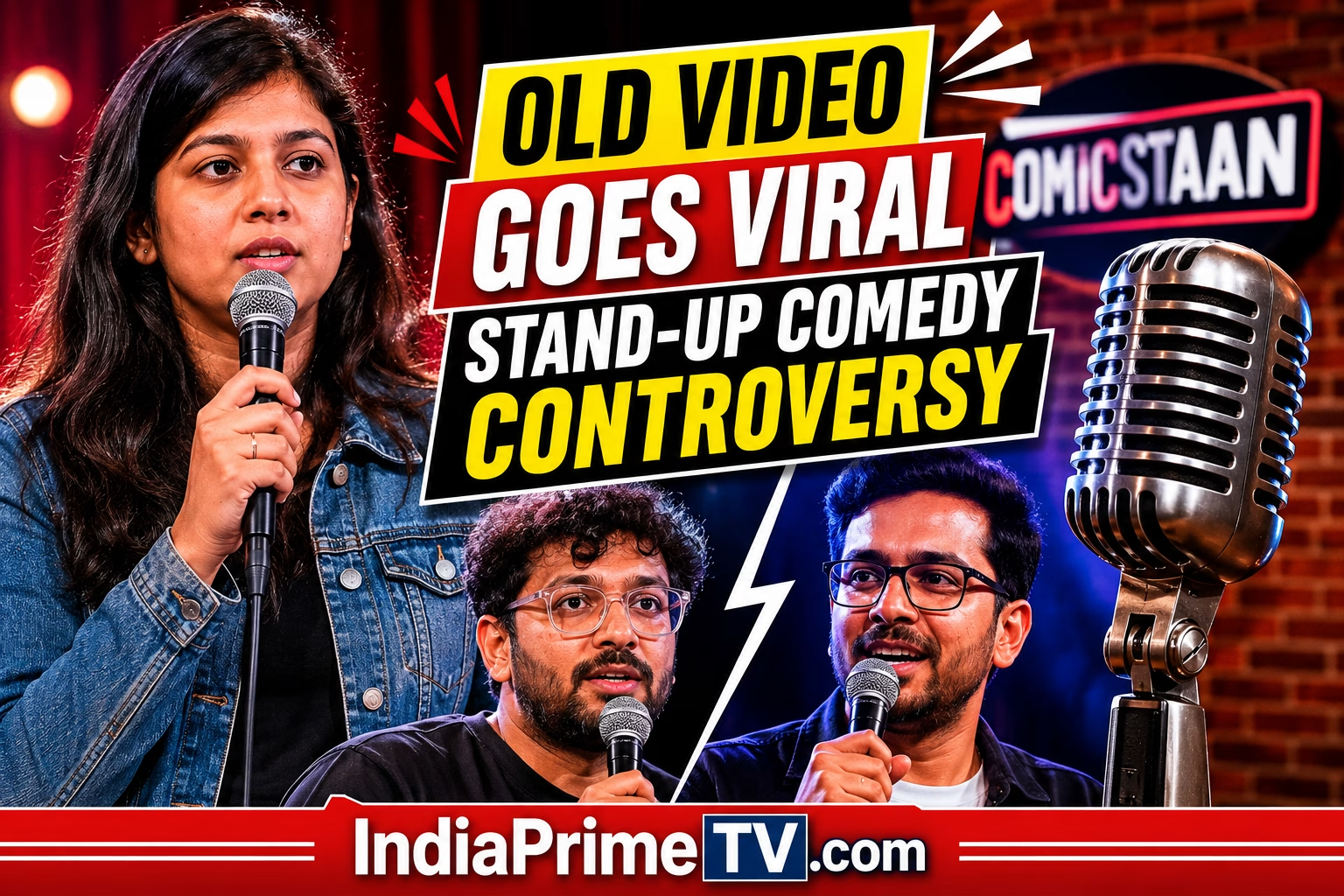
Entertainment Desk | IndiaPrimeTV.com India’s stand-up comedy scene is once again at the centre of a heated debate over freedom of expression, social responsibility and the changing boundaries of humour.
Amid recent controversies involving comedians Pranit More and Madhur Virli, an old video featuring stand-up comedian Aishwarya Mohanraj has resurfaced on social media, triggering fresh discussions over what audiences consider acceptable in comedy.
The clip, originally from the comedy reality show Comicstaan, is being widely shared across social media platforms, with users debating whether comedians should be judged by today’s standards for jokes performed years ago.
Why Is the Video Going Viral?
In the resurfaced clip, Aishwarya Mohanraj jokes about her younger brother’s birth and her mother’s reaction to having a son.
The joke, which references male circumcision in a satirical context, has drawn strong reactions online. While some social media users have described the material as offensive and inappropriate, others argue that it should be viewed within the framework of stand-up comedy, where exaggeration and shock value are commonly used as storytelling tools.
The comedian has not publicly commented on the renewed circulation of the video at the time of publication.
Social Media Divided Over ‘Selective Outrage’
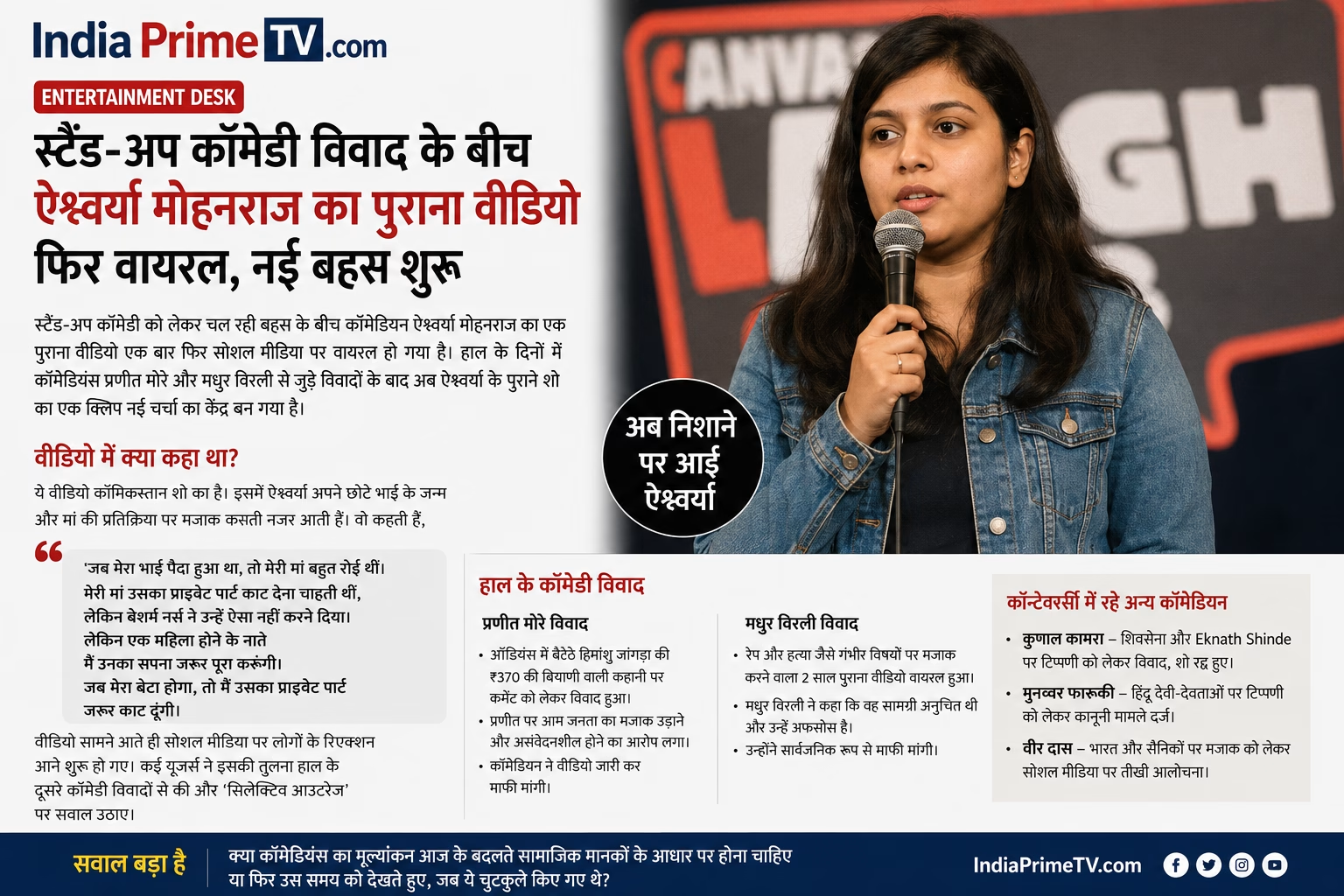 The controversy has sparked a wider conversation about what many users describe as “selective outrage” within the entertainment industry.
Several social media users questioned whether similar standards are being applied equally to all comedians, regardless of their background, audience base or political views.
Others argued that comedy should not be exempt from criticism simply because it is presented as humour.
The debate reflects a broader shift in audience expectations, with viewers increasingly revisiting older content through the lens of current social values.
Recent Comedy Controversies Add Fuel to the Debate
The discussion surrounding Aishwarya Mohanraj comes shortly after two other stand-up comedians faced backlash over their content.
Comedian Pranit More recently apologised following criticism related to a viral interaction involving an audience member and a joke connected to an expensive biryani order.
Meanwhile, comedian Madhur Virli issued a public apology after an older video featuring jokes about sensitive subjects, including sexual violence and murder, resurfaced online.
Virli acknowledged that the material was inappropriate and expressed regret for creating such content.
These incidents have intensified discussions around accountability in comedy and the responsibilities that come with large digital audiences.
A Global Debate, Not Just an Indian One
Questions around comedy and free speech are not unique to India.
Internationally, several prominent comedians have faced criticism over controversial material in recent years.
British comedian Ricky Gervais has repeatedly defended his right to push boundaries, arguing that jokes do not necessarily reflect personal beliefs.
American comedian Dave Chappelle’s Netflix specials sparked global debate over humour involving gender identity and minority communities.
Canadian comedian Russell Peters, known for his cultural stereotypes and observational humour, has also frequently addressed changing audience sensitivities.
These controversies highlight a common challenge facing performers worldwide: balancing creative freedom with evolving social expectations.
Should Comedians Be Judged by Present-Day Standards?
The resurfacing of older comedy clips has raised an important question: should performers be held accountable for material created years ago, even if social attitudes have changed since then?
Supporters of artistic freedom argue that comedy often relies on discomfort, exaggeration and challenging social norms.
Critics counter that jokes involving violence, gender, religion or vulnerable communities can normalise harmful attitudes and deserve scrutiny.
Media experts note that digital platforms have permanently changed the nature of comedy, where performances once limited to live audiences can now be viewed, shared and reinterpreted by millions years later.
The Future of Stand-Up Comedy
As stand-up comedy continues to grow in India through streaming platforms, social media and live performances, comedians are increasingly navigating a complex landscape shaped by instant online reactions and heightened public scrutiny.
The renewed debate around Aishwarya Mohanraj’s old video illustrates how comedy is no longer judged solely by the laughter it generates but also by the conversations it sparks.
Whether audiences prioritise artistic freedom or social accountability remains an ongoing debate, but one thing is clear: in the digital era, no joke truly stays in the past.