
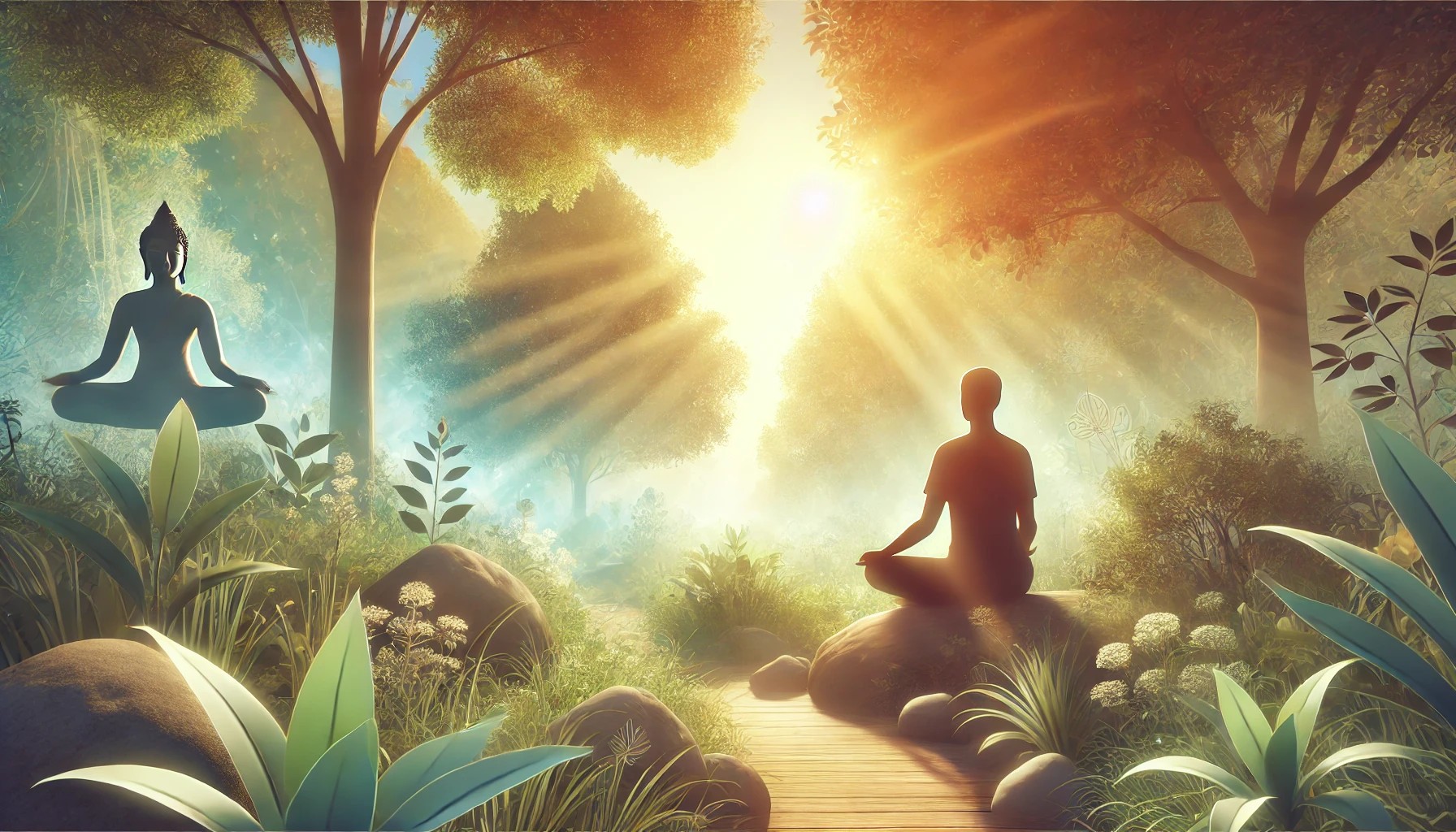
IPTV Health Desk Stress Epidemic 2025 In today’s fast-paced world, epidemic stress has become a growing concern, with the lines between work and personal life increasingly blurred. The persistent pressure has led to widespread burnout, anxiety, and chronic exhaustion, prompting experts to classify stress as a global health epidemic.
What Causes Epidemic Stress?
Epidemic stress is caused by multiple factors, including:
- Workplace Pressure – Job demands, long hours, and lack of work-life balance.
- Financial Worries – Debt, inflation, and economic instability contribute to anxiety.
- Social Isolation – Increased reliance on digital communication over face-to-face interactions.
- Global Events – Pandemics, geopolitical conflicts, and climate change-related stress.
- Technology Overload – Constant connectivity and information overload.
Who First Defined Stress?
The term “stress” originally comes from physics, referring to the interaction between force and resistance. Hans Selye, a pioneering medical researcher, was the first to introduce stress into the medical field, defining it as the “nonspecific response of the body to any demand.” (Selye, 1936, “The Stress of Life”)
Why Is Stress Harmful?
Chronic stress affects multiple aspects of health, leading to both physical and mental health issues. Some of the most common consequences include:
- High Blood Pressure – Can lead to heart disease and strokes (American Heart Association, 2023).
- Heart Disease & Stroke – Prolonged stress increases cardiovascular risks (CDC, 2024).
- Obesity & Diabetes – Stress hormones contribute to weight gain and metabolic issues (Mayo Clinic, 2023).
- Depression & Anxiety Disorders – Mental health is deeply affected by chronic stress (American Psychological Association, 2024).
- Sleep Disturbances – Insomnia and poor sleep quality result from excessive stress (National Sleep Foundation, 2023).
The WHO & The Stress Epidemic
The World Health Organization (WHO) has declared stress the “health epidemic of the 21st century.” Workplace stress, financial stress, and social pressures contribute to rising mental health challenges worldwide (WHO, 2023).
Is Work Stress an Epidemic?
A study by the American Psychological Association (APA, 2024) found that chronic work stress is linked to serious health problems, such as heart disease, hypertension, and depression. The impact of workplace stress is often underestimated, yet it remains a leading cause of burnout and absenteeism.
Types of Stress
Stress manifests in different forms, affecting individuals uniquely. The seven primary types of stress include:
- Acute Stress – A short-term reaction to immediate pressures.
- Chronic Stress – Long-term, continuous stress that leads to severe health effects.
- Episodic Acute Stress – Repeated episodes of acute stress.
- Emotional Stress – Resulting from personal relationships or trauma.
- Physical Stress – Caused by illness, fatigue, or overexertion.
- Environmental Stress – Related to external factors like noise, pollution, or disasters.
- Psychological Stress – Linked to anxiety, depression, or personal insecurities.
Warning Signs of Stress
Recognizing the symptoms of stress is essential for early intervention. Five major warning signs include:
- Feeling Overwhelmed
- Increased Anxiety or Worry
- Irritability & Mood Swings
- Difficulty Concentrating
- Physical Symptoms (Headaches, Stomachaches, Fatigue)
What Are the Long-Term Effects of Stress?
If left unmanaged, chronic stress can lead to:
- Weakened Immune System – Making individuals more susceptible to infections (Harvard Medical School, 2023).
- Memory and Cognitive Decline – Chronic stress affects brain function (National Institute on Aging, 2024).
- Gastrointestinal Issues – Stress can cause digestive problems like ulcers and IBS (Johns Hopkins Medicine, 2023).
- Hormonal Imbalances – Disrupts normal hormone production, affecting mood and energy levels (Cleveland Clinic, 2024).
How to overcome anxiety & find inner peace mental. Health is just as important as physical health, yet millions of people struggle with anxiety, depression, and chronic stress. With the fast-paced world we live in, finding balance through mindfulness, meditation, and self-care has become essential. This guide will provide science-backed techniques to help you manage stress, improve mental well-being, and achieve emotional resilience.
Stress Epidemic How to Overcome Anxiety & Find Inner Peace
Understanding Anxiety: Causes, Symptoms & Solutions
Anxiety is one of the most common mental health issues, affecting over 40 million adults in the U.S. alone. It manifests as constant worry, nervousness, rapid heartbeat, and difficulty concentrating.
🔹 Top Strategies to Reduce Anxiety Naturally
✅ Deep Breathing Exercises: Try the 4-7-8 breathing technique to calm your nervous system.
✅ Limit Caffeine & Sugar: Excess consumption can trigger anxiety attacks.
✅ Stay Active: Exercise releases endorphins, reducing anxiety levels.
✅ Try Herbal Remedies: Chamomile tea and ashwagandha help relax the mind.
Understanding Depression: Signs & How to Cope
Depression is more than just feeling sad; it can affect daily life, relationships, and productivity. Common signs include:
- Persistent fatigue and low energy
- Loss of interest in activities
- Changes in appetite and sleep patterns
- Feeling hopeless or worthless
🔹 Natural Ways to Overcome Depression
🌞 Get More Sunlight: Increases Vitamin D & serotonin levels.
📝 Journaling: Writing thoughts down can help process emotions.
💪 Regular Exercise: Just 30 minutes of walking daily can improve mood.
🛑 Limit Social Media: Reduce comparison and negative self-talk.
Mindfulness: The Key to Mental Clarity & Emotional Balance
Mindfulness is about living in the present moment without judgment. It helps reduce stress, anxiety, and overthinking by keeping your mind grounded in reality.
🔹 Simple Mindfulness Techniques for Daily Life
✨ Body Scan Meditation: Pay attention to sensations in different body parts.
☕ Mindful Eating: Enjoy your meals without distractions.
🌳 Nature Walks: Focus on the sounds, smells, and sights around you.
📵 Digital Detox: Reduce screen time and practice real-life connections.
Meditation: A Powerful Tool for Stress & Anxiety Relief
Meditation is scientifically proven to reduce stress hormones, lower blood pressure, and improve focus. Even 5-10 minutes a day can make a significant difference!
🔹 Best Meditation Techniques for Mental Health
🙏 Guided Meditation: Listen to soothing voices or apps like Calm & Headspace.
🎶 Sound Healing: Try binaural beats and calming music.
🔥 Candle Gazing: Focus on the flame to enhance concentration.
💗 Loving-Kindness Meditation: Send positive thoughts to yourself & others.
Final Thoughts: Small Changes, Big Impact
In an age where stress has become an unavoidable part of life, managing it effectively is crucial for maintaining long-term health and well-being. Taking care of your mental health doesn’t require drastic changes. Incorporating mindfulness, meditation, and self-care habits into your daily routine can significantly reduce stress, anxiety, and depression.
References & Sources
- World Health Organization (WHO), 2023. “Stress: The Health Epidemic of the 21st Century.”
- American Psychological Association (APA), 2024. “Workplace Stress & Mental Health.”
- Mayo Clinic, 2023. “Effects of Stress on the Body.”
- National Sleep Foundation, 2023. “The Impact of Stress on Sleep.”
- Harvard Medical School, 2023. “How Stress Affects Your Immune System.”
- Cleveland Clinic, 2024. “The Science of Laughter and Stress Relief.”
- American Institute of Stress, 2023. “Managing Stress Through Lifestyle Choices.”
you can search this topics in these way also.
“Epidemic Stress: How Modern Life is Fueling a Global Health Crisis”
“The Hidden Toll of Chronic Stress: A Silent Epidemic Affecting Millions”
“Workplace Burnout and Anxiety Surge: Is Stress the Next Public Health Emergency?”
“The WHO Declares Stress the ‘Health Epidemic of the 21st Century’—What Can We Do?”
“From Work to Finances: How the Stress Epidemic is Reshaping Mental Health Worldwide”


2 thoughts on “Stress Epidemic 2025: How to Overcome Anxiety & Find Inner Peace”
Comments are closed.