
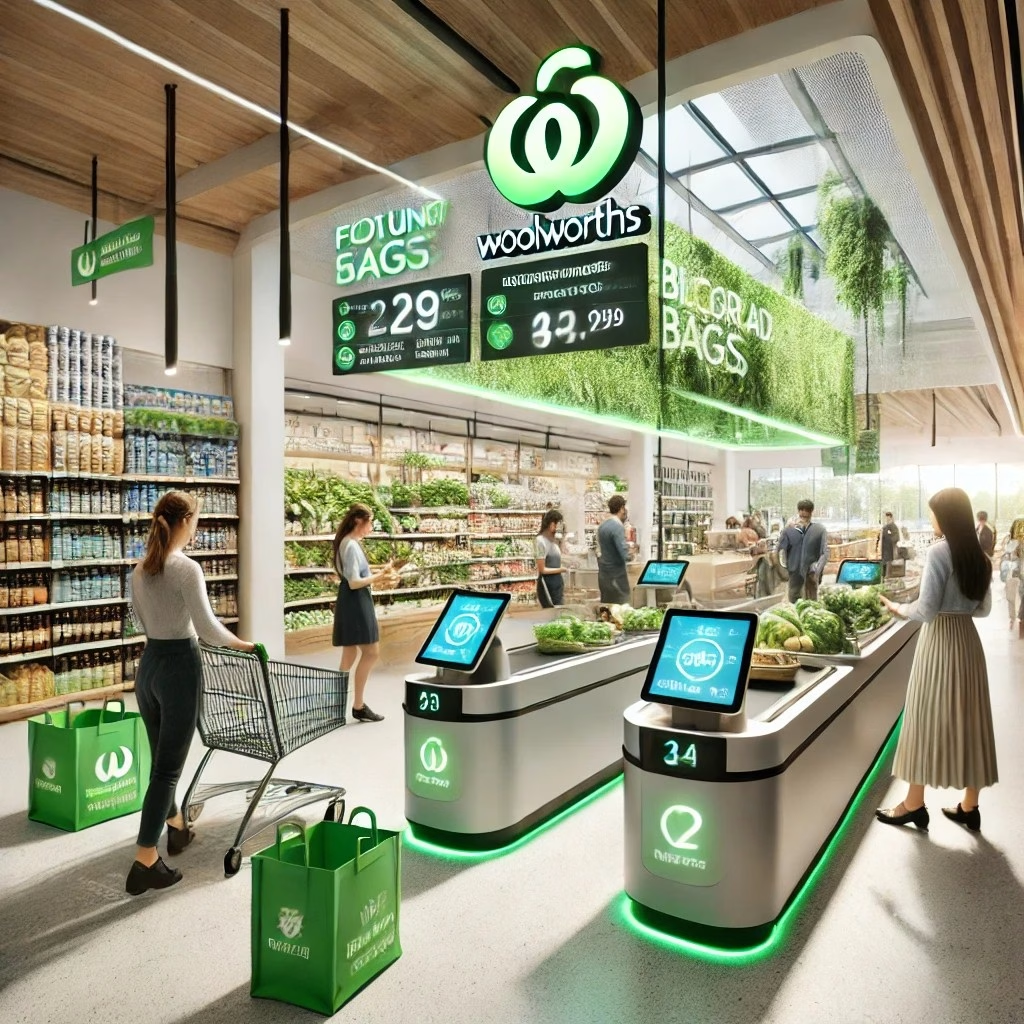
IPTV Business Desk Why Woolworths Goes Green Australia has witnessed a significant shift in consumer behavior, with reusable bags becoming a cornerstone of sustainable shopping practices. This change reflects a broader commitment to environmental responsibility and has influenced various aspects of the retail experience.
Why Woolworths Goes Green
The Rise of Reusable Bags in Australia
In recent years, major Australian retailers such as Woolworths and Coles have phased out single-use plastic bags, aligning with government regulations aimed at reducing plastic waste. This transition has not only decreased environmental pollution but also fostered a culture of sustainability among consumers. Shoppers now routinely bring their own bags, reflecting a collective effort to minimize plastic consumption.
Types of Reusable Bags and Their Benefits
Recycled Plastic Bags: Durable and often made from post-consumer materials, these bags provide a practical alternative to single-use plastics.
Cotton Tote Bags: Popular for their durability and ease of washing, cotton totes are versatile and often used beyond shopping trips.
Jute and Canvas Bags: Known for their strength and biodegradability, these bags offer an eco-friendly option for carrying heavier items.
Foldable and Compact Bags: Designed for convenience, these bags can be easily stored in pockets or purses, ensuring shoppers are always prepared.
Environmental Impact
The widespread adoption of reusable bags has led to a notable reduction in plastic waste, contributing to cleaner oceans and landscapes. By choosing reusable options, consumers play a direct role in decreasing the demand for single-use plastics, thereby lowering the overall carbon footprint associated with plastic production and disposal.
How to Maximize the Use of Reusable Bags
Regular Cleaning: Maintain hygiene by washing bags frequently, especially those used for carrying food items.
Dedicated Bags for Specific Uses: Assign certain bags for particular items, such as groceries or clothing, to prevent cross-contamination.
Creative Repurposing: Old or worn-out bags can be repurposed for storage or as plant holders, extending their lifecycle and utility.
Products That Attract Impulse Purchases While Shopping
Retailers strategically place certain items to encourage impulse buying, enhancing the shopping experience and increasing sales. Notable examples include:
Seasonal Items: Products aligned with current holidays or seasons, such as festive decorations or summer accessories, often entice spontaneous purchases.
Limited-Time Offers: Special promotions or exclusive products create a sense of urgency, prompting immediate buying decisions.
Convenience Items at Checkout: Small, low-cost products like snacks, magazines, or travel-sized toiletries placed near the register are designed to capture last-minute purchases.
Bundled Products: Offering related items together at a discounted price can encourage customers to buy more than they initially intended.
Eye-Level Placement: Products positioned at eye level on shelves are more likely to be noticed and purchased impulsively.
Future Trends in Sustainable Shopping
The retail landscape continues to evolve with a focus on sustainability and innovation:
Biodegradable Packaging: Retailers are increasingly adopting packaging solutions that decompose naturally, reducing environmental impact.
Smart Shopping Solutions: Technological advancements, such as apps that track reusable bag usage or reward sustainable purchases, are enhancing the eco-friendly shopping experience.
Eco-Friendly Store Designs: Stores are being designed with sustainability in mind, incorporating energy-efficient systems and materials.
By embracing reusable bags and understanding the dynamics of impulse purchases, Australian consumers and retailers are collaboratively shaping a more sustainable and enjoyable shopping future.
Woolworths and other major Australian retailers have embraced sustainable shopping by eliminating single-use plastic bags and promoting reusable alternatives. This shift not only reduces environmental impact but also aligns with consumer preferences for eco-friendly choices. Additionally, strategic product placement and impulse-buy tactics enhance the shopping experience while driving sales. As sustainability continues to shape the retail industry, innovations such as biodegradable packaging and smart shopping solutions will further revolutionize how Australians shop. By adopting reusable bags and making conscious purchasing decisions, consumers play a vital role in building a greener, more responsible future. 🌿🛍️
“Revolution on Your Plate: Sustainable Eating Redefines America’s Food Scene”
- Woolworths Leads the Way: How Reusable Bags Are Transforming Aussie Shopping Habits
- Woolworths Goes Green: The Rise of Sustainable Shopping in Australia
- Woolworths Shoppers Rejoice: The Best Eco-Friendly Bags for Your Next Trip
- Woolworths’ Smart Shopping Revolution: How Impulse Buys and Reusable Bags Shape Retail
- Woolworths Unveils the Future of Shopping: Sustainability, Innovation, and Smart Choices





One thought on “Why Woolworths Goes Green: 2025 Reusable Bags Are Changing the Way Australians Shop”