
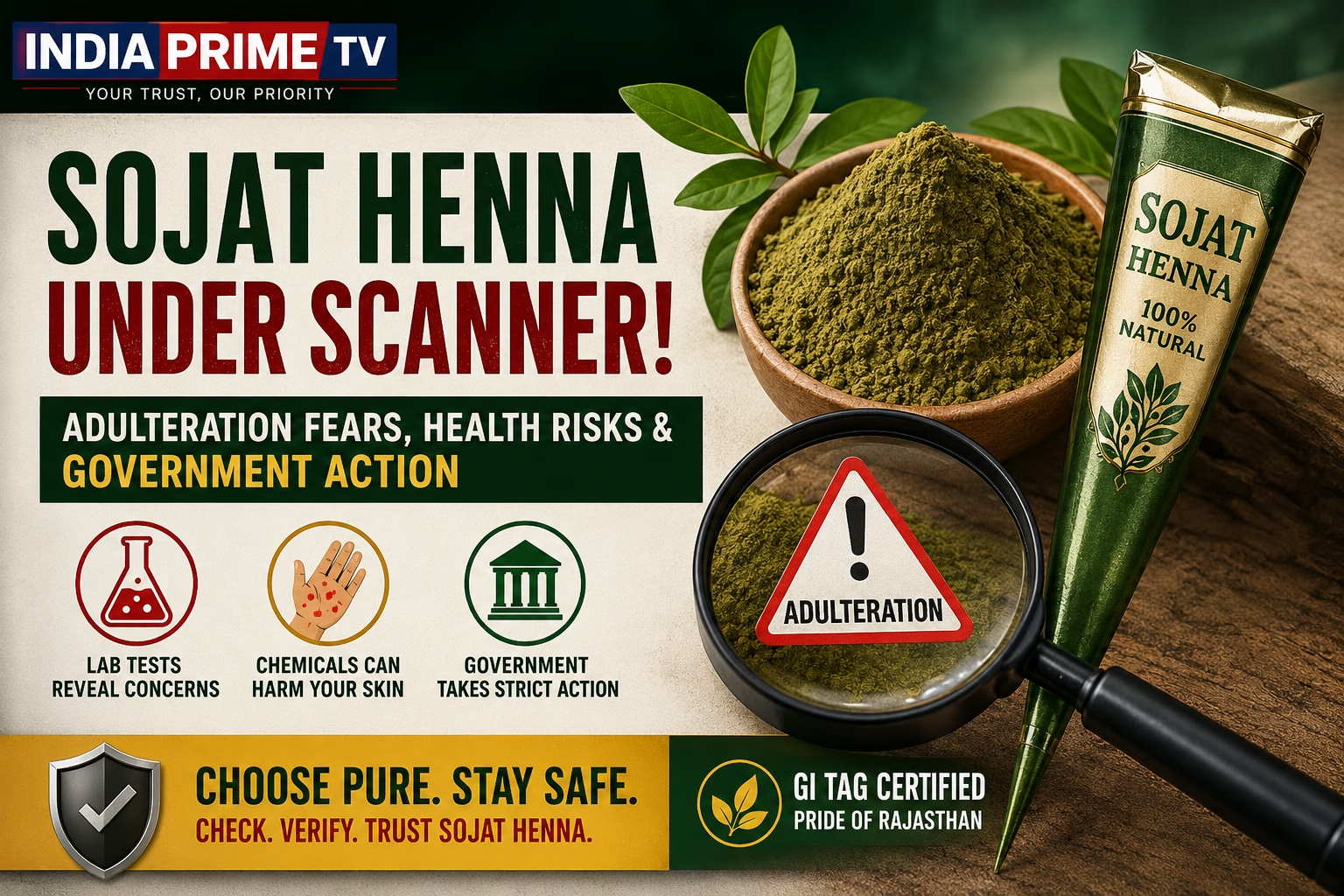
Tejasvi Singh India Prime Special Report | Pali/Jaipur Sojat Henna For decades, Sojat in Rajasthan’s Pali district has been recognized worldwide for producing premium natural henna. Sojat Henna has also been awarded the prestigious Geographical Indication (GI) Tag by the Government of India, recognizing its unique quality and authenticity. A significant share of India’s natural henna exports originates from the Sojat region, supporting the livelihoods of thousands of farmers, workers, exporters, and small-scale industries.
However, recent investigations conducted by Rajasthan’s Health Department and the Drug Control Department have brought parts of this renowned industry under scrutiny. Following laboratory analysis of henna powder and henna cone samples collected from various markets, authorities reportedly identified quality-related irregularities in certain products. Officials have clarified that the objective is not to tarnish the reputation of the entire Sojat henna industry, but rather to take strict action against manufacturers allegedly violating quality standards while protecting consumers and preserving the global reputation of genuine Sojat Henna.
According to official investigations, samples of henna products collected from different parts of Rajasthan were sent to government laboratories for scientific examination. Laboratory findings reportedly indicated that some products did not meet prescribed quality standards. Media reports suggest that certain samples contained lower-than-expected or undetectable levels of Lawsone, the naturally occurring pigment responsible for henna’s characteristic reddish-brown stain. In some cases, investigators also reported the presence of chemical substances that are not considered part of natural henna formulations.
Based on these findings, regulatory authorities have initiated action against the concerned product batches and manufacturers in accordance with applicable laws. However, officials have emphasized that final legal conclusions will only be determined after due regulatory and judicial proceedings are completed.
Experts explain that Lawsone is the primary natural coloring compound found in henna leaves. It is responsible for producing the traditional reddish-brown stain on skin and hair. If laboratory testing reveals significantly reduced or absent Lawsone content, questions naturally arise regarding the product’s purity and quality. For this reason, laboratory analysis remains the most reliable method for verifying the authenticity of henna products. Specialists also caution consumers that labels such as “Natural,” “Herbal,” or “100% Pure” alone do not guarantee product quality unless they comply with established regulatory standards.
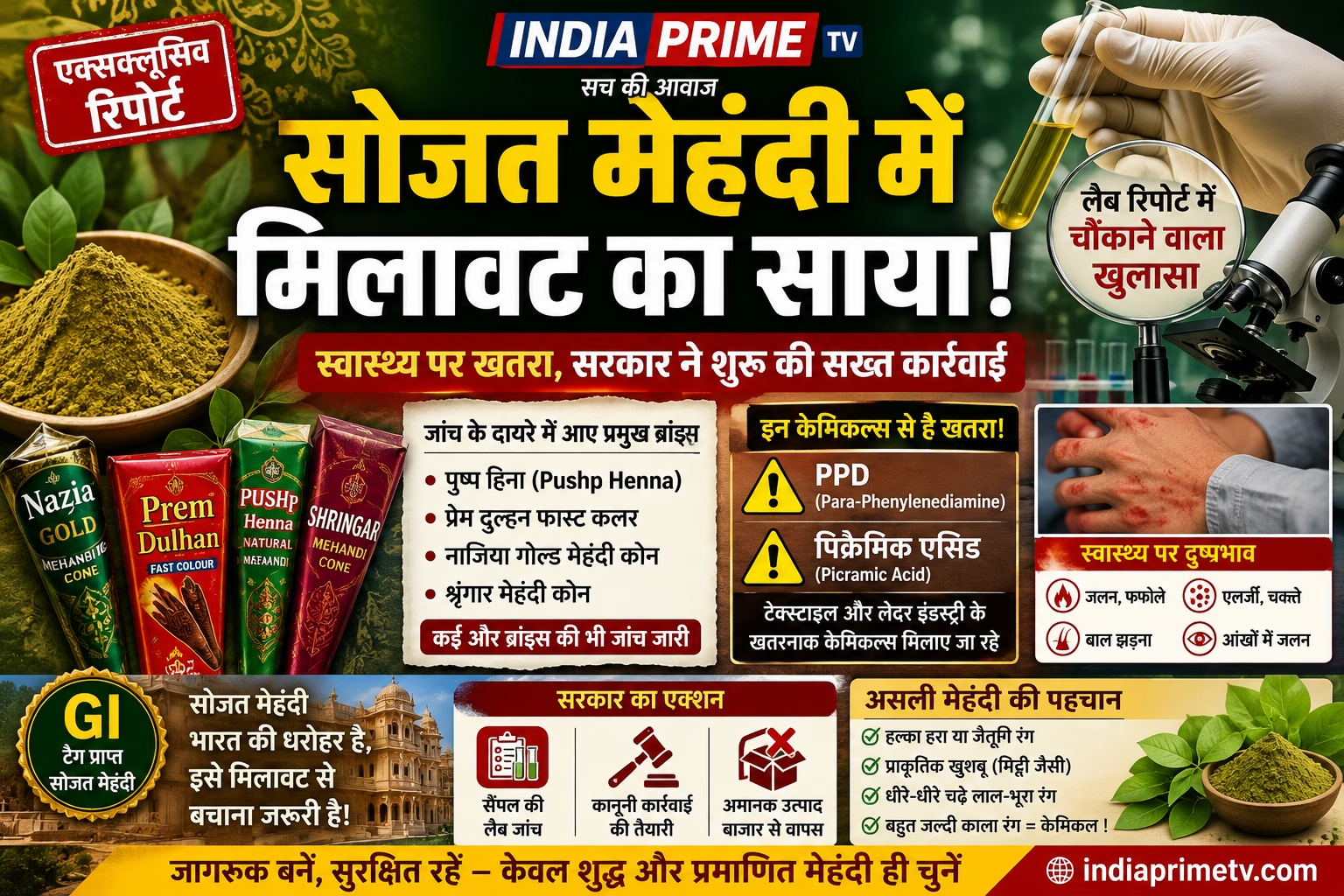
According to publicly available media reports, products and batches associated with brands including Pushp Henna, Prem Dulhan Fast Color, Nazia Gold Mehndi Cone, and Shringar Mehndi Cone, among others, have been examined during the investigation. It is important to note that regulatory scrutiny and legal proceedings concerning these batches remain ongoing. Therefore, no manufacturer should be considered guilty solely on the basis of investigation reports until the competent authorities or courts issue final decisions.
Dermatologists warn that henna products containing unauthorized chemical dyes, prohibited ingredients, or materials that fail to meet prescribed quality standards may pose serious health risks. Possible adverse effects include allergic skin reactions, severe irritation, redness, blistering, itching, burning sensations, eye irritation, hair loss, and severe reactions among individuals with sensitive skin. Medical experts strongly recommend performing a patch test before applying any new henna product. If irritation, swelling, itching, or discomfort develops, users should discontinue use immediately and seek medical advice.
Treating the matter as a public health concern, Rajasthan authorities have intensified inspections across the state. The Drug Control Department is inspecting manufacturing facilities, collecting additional samples for laboratory testing, and initiating action wherever violations of regulatory standards are detected. Proceedings are being undertaken under the provisions of the Drugs and Cosmetics Act, 1940 and the Cosmetics Rules, 2020. Depending on the outcome of investigations, authorities may order product recalls, initiate licensing actions, or pursue legal proceedings before competent courts. Officials maintain that their primary objective is to safeguard consumer health while preserving the international credibility of authentic Sojat Henna.
 The Sojat henna industry represents a vital pillar of Rajasthan’s rural economy. Thousands of farmers cultivate henna, while a large workforce—particularly women—is involved in processing, packaging, and exporting the product. Henna from Sojat is exported to markets across the Middle East, Europe, North America, and several Asian countries. Consequently, quality concerns involving even a limited number of products have the potential to affect the reputation of the broader industry. Industry experts believe that decisive action against manufacturers found violating quality standards ultimately protects honest businesses, genuine farmers, and India’s export reputation.
Consumers are also advised to remain vigilant while purchasing henna products. Experts recommend checking the manufacturer’s name and address, batch number, manufacturing date, expiry date, and licensing information before making a purchase. Products should be bought only from trusted retailers. Consumers should also exercise caution with products claiming to produce an instant dark black stain within minutes. Authentic natural henna typically develops its characteristic reddish-brown color gradually over several hours. Products emitting unusually strong chemical odors should likewise be avoided.
If consumers experience severe allergies, burns, blistering, or other adverse reactions after using a henna product, they should preserve both the product packaging and purchase receipt and report the matter to the State Drug Control Department, Health Department, or consumer protection authorities. Such complaints assist regulatory agencies in investigating potential quality violations and help prevent similar risks to other consumers.
Experts emphasize that Sojat Henna remains one of India’s most valuable traditional agricultural and cosmetic products with global recognition. They caution against judging the entire industry based on isolated cases currently under investigation. Instead, they advocate stronger quality testing, expanded laboratory infrastructure, transparent labeling practices, stricter regulatory oversight, and greater consumer awareness. With coordinated efforts by the government, manufacturers, exporters, farmers, and consumers, Sojat Henna can continue strengthening its international reputation while maintaining the highest standards of quality and safety.
Disclaimer: The brands and products mentioned in this report are referenced solely on the basis of publicly available investigation reports and media coverage. Regulatory and legal proceedings remain ongoing, and no final determination of liability has been made. Any conclusions regarding compliance or violations will be decided by the competent authorities and courts.