
India Prime TV Date: August 28, 2026 | International Desk, New Delhi | Nepal Flood 2026: Warning of Another Flood Deluge
A devastating flash flood along the Nepal-Tibet border has caused widespread destruction across Nepal’s mountainous regions. As of August 28, 2026, Nepal has reported 469 deaths and 977 people still missing. In China’s Tibet region, three people have died in Gyirong County, while 558 people are reported missing. Together, more than 1,500 people remain missing across Nepal and Tibet. More than 3,200 people have been rescued in Nepal, while search-and-rescue operations continue.
Nepal Flood 2026: 469 Dead, Over 1,500 Missing
288 Indian Citizens Still Untraceable
The disaster has also triggered serious concern in India. According to the Ministry of External Affairs, 288 Indian citizens remain uncontactable in Nepal. Among them are 73 people working at a hydropower project, while a large number of Indians were travelling for the Kailash Mansarovar pilgrimage. The Indian government has established a special control room for Indians stranded in Nepal and is coordinating with the Nepalese authorities. Reports also indicate that around 200 Indian pilgrims are stranded on the Chinese side.
Citizens from more than 30 countries—including the United States, United Kingdom, Australia, Malaysia, Ukraine, Canada, South Korea and Japan—have also been reported uncontactable. A large number of those missing in Nepal and Tibet are tourists, trekkers, pilgrims and workers associated with infrastructure projects.
Reported Indian Groups
| Group | Reported Number |
|---|---|
| Indians working at Trishuli-1 Power Project | 73 |
| Tamil Nadu group | 37 |
| Second Tamil Nadu group | 49 |
| West Bengal group | 32 |
| Kerala group | 33 |
| Indians from other states | 61 |
Important: These figures represent reported/uncontactable groups and should not be interpreted as a final state-wise missing-person count because the numbers may change as rescue operations continue.
Rasuwa: The Main Disaster Zone With a Population of 46,689
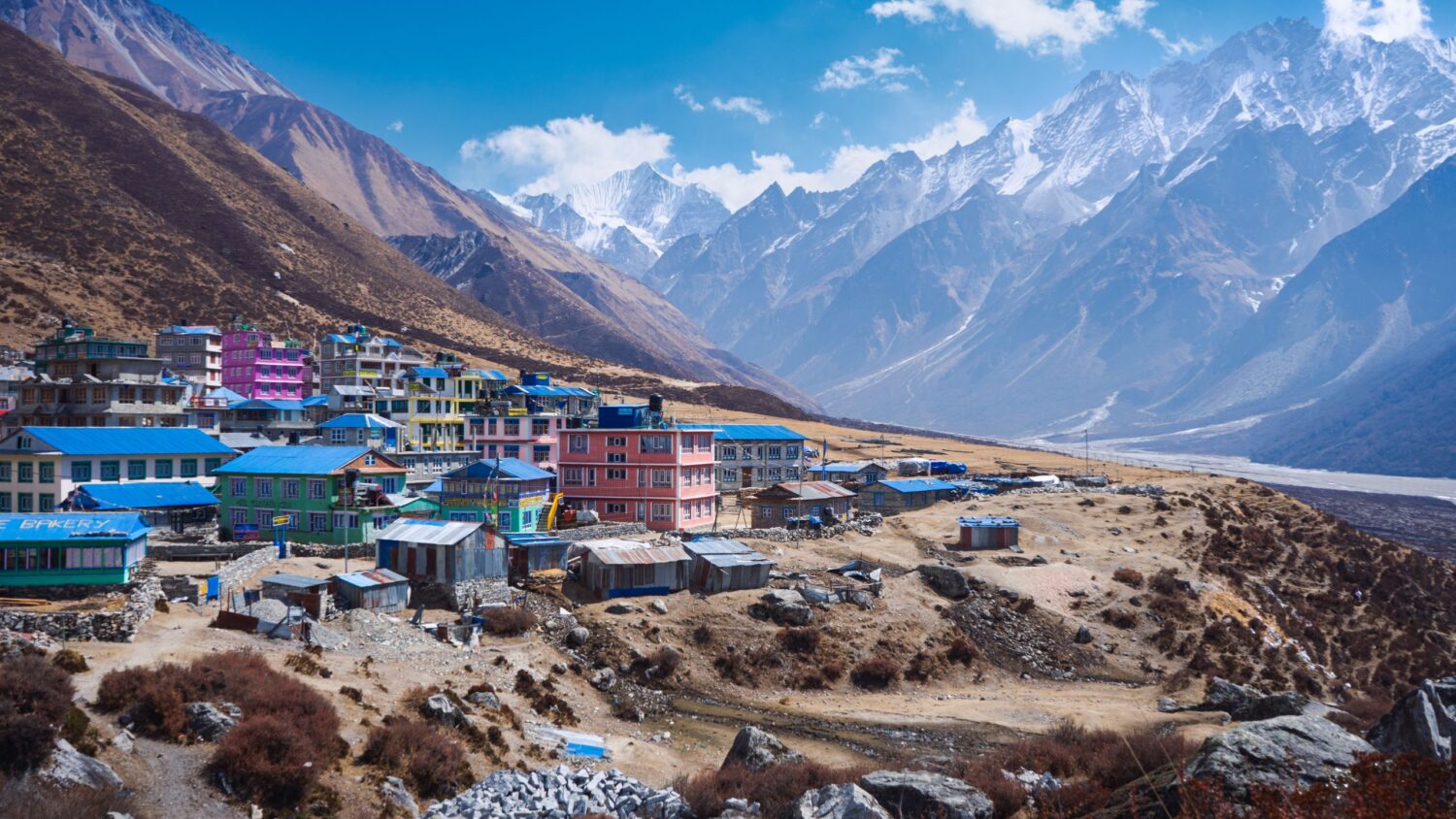
The Rasuwa district has suffered some of the worst destruction. According to Nepal’s 2021 Census, Rasuwa had a total population of 46,689, with a population density of around 30 people per square kilometre. Much of the population lives in rural and mountainous areas.
Rasuwa’s importance goes far beyond its population. The district connects Nepal’s border with China and is important for the Langtang region, Gosainkunda, trekking routes, Kailash-Mansarovar travel and hydropower projects. Timure, Syabrubesi and Rasuwagadhi are among the key locations affected by the disaster.
Why Timure and Rasuwagadhi Matter
Timure is an important settlement near the Nepal-China border, while Rasuwagadhi is one of the key corridors for trade and movement between Nepal and China. The route connects Nepal with China’s Tibet region and supports cross-border commerce. The floods have severely damaged roads, bridges, border infrastructure and communication links.
The same broader corridor is also important for tourists and pilgrims travelling towards the Langtang and Gosainkunda regions, as well as travellers associated with Tibet and the Kailash-Mansarovar route. Therefore, the number of people normally present in the area cannot be judged solely by the local population.
How Many Tourists Visit Rasuwa?
The latest available tourism figures show that more than 42,230 tourists visited the Gosainkunda and Langtang areas of Rasuwa during the 11 months from July 2024 to June 2025. This included 30,750 Nepali visitors and 11,480 foreign tourists. The corresponding figure in the previous financial year was 32,597.
These figures demonstrate the importance of the region as a tourism destination. However, there is currently no official daily figure showing exactly how many tourists were present in Rasuwa, Timure or Syabrubesi on the day of the August 2026 floods. Therefore, claims that a specific number of thousands of tourists were physically present on the day of the disaster cannot be established from the available official data.
Early government assessments, however, indicated a significant presence of outsiders in the affected region, with hundreds of tourists and trekkers initially reported uncontactable. Later consolidated figures included local residents, tourists, security personnel and infrastructure workers.
Langtang National Park: A Major Tourism Hub
A large part of Rasuwa is connected with Langtang National Park. According to the Nepal Tourism Board, the park extends across Rasuwa, Nuwakot and Sindhupalchok and covers approximately 1,710 square kilometres.
With the Langtang range, glaciers, lakes, Himalayan landscapes and trekking routes, the region is one of Nepal’s important mountain tourism destinations.
From July 2025 to June 2026, around 56,000 visitors were reported to have travelled to Langtang National Park. Available interim figures recorded around 50,360 visitors, including 39,011 domestic visitors, 788 SAARC visitors and 10,561 other foreign tourists. These figures cover the entire protected area and should not be interpreted as the number of visitors present only in flood-hit Timure or Syabrubesi.
Nuwakot Also Affected
The flood impact extended downstream from Rasuwa into Nuwakot and the Trishuli River region. According to the 2021 Census, Nuwakot district had a population of 263,391.
Settlements around the Trishuli River, roads and hydropower infrastructure have been affected. Unlike the high Himalayan border district of Rasuwa, Nuwakot has a considerably larger population and is economically important because of its connectivity with the Kathmandu Valley.
Hydropower Projects Suffer Major Damage
The disaster has delivered a major blow to Nepal’s hydropower sector. Initial assessments indicate that 13 hydropower projects and one solar project in Rasuwa and Nuwakot have been affected, with approximately 359 MW of generation capacity impacted. Some of the projects were operational, while others were under construction.
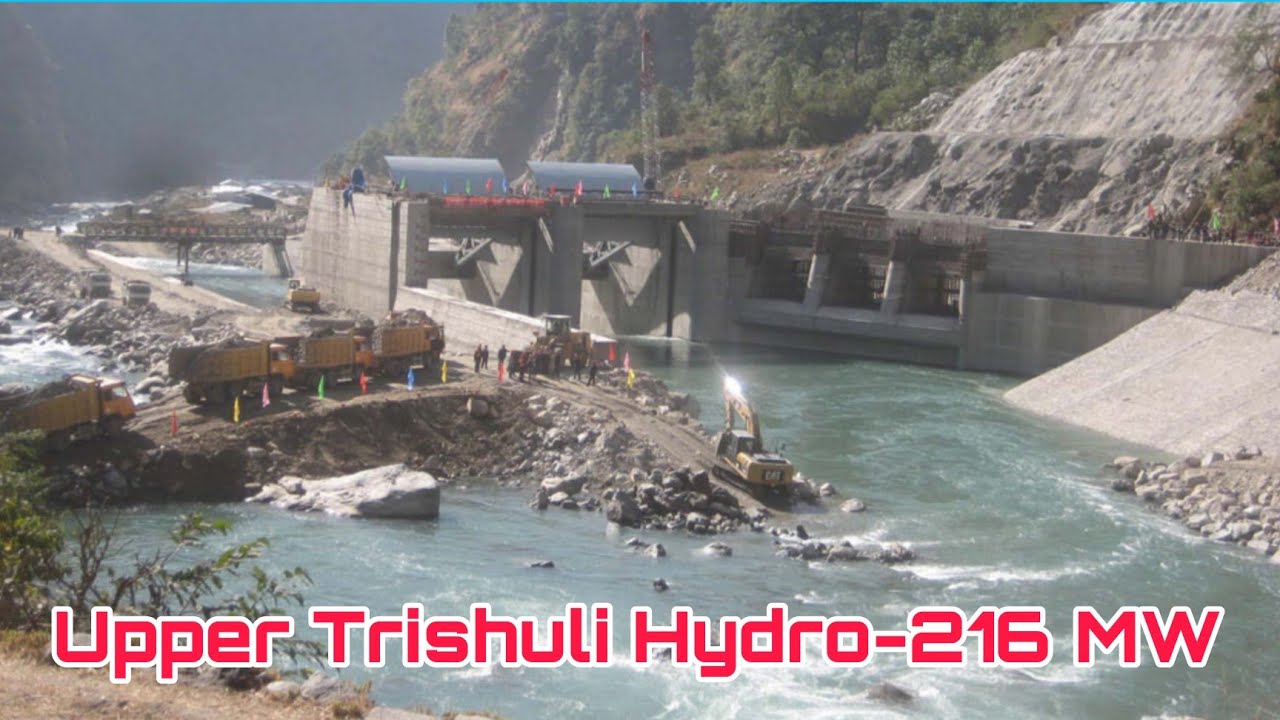
Among the most closely watched projects is the 216 MW Upper Trishuli-1 Hydropower Project. The project has an estimated cost of around $647 million and was being developed with major participation from South Korean companies. Reports indicate that more than 90% of the project’s upper dam and around 90% of the construction workers’ base camp were destroyed by the flood. The project had been approximately 84% complete before the disaster.
Upper Trishuli-1 is associated with a consortium led by Korea South-East Power and Doosan Enerbility, with international financial institutions also involved in its financing. Therefore, describing it simply as a “Korean project” does not present the complete picture.
Chinese-Linked Hydropower Projects Also Affected
Some of the hydropower infrastructure affected by the disaster has Chinese financial involvement. Upper Trishuli-3A, with an installed capacity of 60 MW, was built with concessional financing from the Export-Import Bank of China.
The disaster has therefore affected hydropower infrastructure involving South Korea, China and international financial institutions. However, involvement by a country’s companies or financial institutions in a project does not mean that country caused the flood.
Did China Release Water?
There is currently no evidence that China deliberately released water that caused the flooding in Nepal. Preliminary scientific and administrative assessments point towards an ice-rock/bedrock collapse in Tibet and the resulting debris flow as the major trigger.
The sudden movement of huge quantities of water, ice and debris into the river system generated a devastating flash flood affecting the Bhote Koshi river system.
The Threat Is Not Over: Possibility of Another Flash Flood
The debris deposited in the river has created a new danger. According to Chinese water authorities, a newly formed barrier lake contains around 2 million cubic metres of water, with another approximately 3 million cubic metres of water potentially expected to enter the lake in the coming days.
If the natural debris barrier develops cracks or collapses, it could trigger another sudden flash flood. Authorities have therefore urged people living in downstream and vulnerable areas to remain alert and move to safer locations if necessary.
India Faces a Double Impact: Citizens and Electricity
The disaster is affecting India on two major fronts. First is the safety of Indian citizens, with 288 Indians reported uncontactable in Nepal, while around 200 Indian pilgrims are reportedly stranded on the Chinese side.
The second impact is on electricity supplies. Nepal’s electricity supply to India has reportedly fallen from around 800 MW to approximately 400 MW because of the flood-related disruption. Hydropower facilities supplying electricity to India are among the affected infrastructure.
The consequences extend beyond immediate electricity supply. Nepal’s hydropower economy is increasingly linked to electricity exports to India and Bangladesh, meaning damage to major projects could affect Nepal’s export revenue and regional power trading.
India Also Increases Monitoring
Because rivers flowing from Nepal enter India, monitoring has been intensified in border areas of Bihar and Uttar Pradesh, particularly around the Gandak/Narayani river system.
However, according to the latest available assessment from Indian authorities, the flash flood has not yet caused the same level of adverse impact in Indian territory as witnessed in the mountainous areas of Nepal. Authorities remain alert to possible changes in river levels.
India and Other Countries Assist Rescue Efforts
India has provided humanitarian assistance to Nepal and increased coordination with Nepalese authorities for the evacuation and safety of Indian citizens. South Korea and other countries and international organisations have also announced relief and rescue assistance.
Three Major Challenges Facing Nepal
Nepal currently faces three major challenges: finding those still missing, protecting people from a possible second flash flood, and delivering relief through damaged roads, bridges and hydropower infrastructure.
Rasuwa’s local population of around 46,689 is supplemented by tourists, trekkers, pilgrims, security personnel and hydropower workers who regularly enter the region. Recent tourism figures show that thousands of Nepali and foreign visitors travel through the wider Langtang-Gosainkunda region each year.
Conclusion
As of August 28, 2026, the disaster has developed into a major humanitarian crisis, with 469 deaths and 977 people missing in Nepal, while 558 people are reported missing in Tibet. A total of 288 Indian citizens remain uncontactable in Nepal, while around 200 Indian pilgrims are reportedly stranded on the Chinese side.
Rasuwa, despite having a local population of only around 46,689, has enormous strategic and economic importance because of its tourism, pilgrimage routes, China-Nepal trade and hydropower infrastructure. The damage therefore extends far beyond homes and human lives.
The immediate concern now is the newly formed barrier lake, where rising water levels could create another flash-flood threat if the natural debris barrier fails.
Disclaimer: Death, missing-person and rescue figures are changing rapidly. The figures in this report reflect information available as of August 28, 2026, and may be revised as search-and-rescue operations continue.