
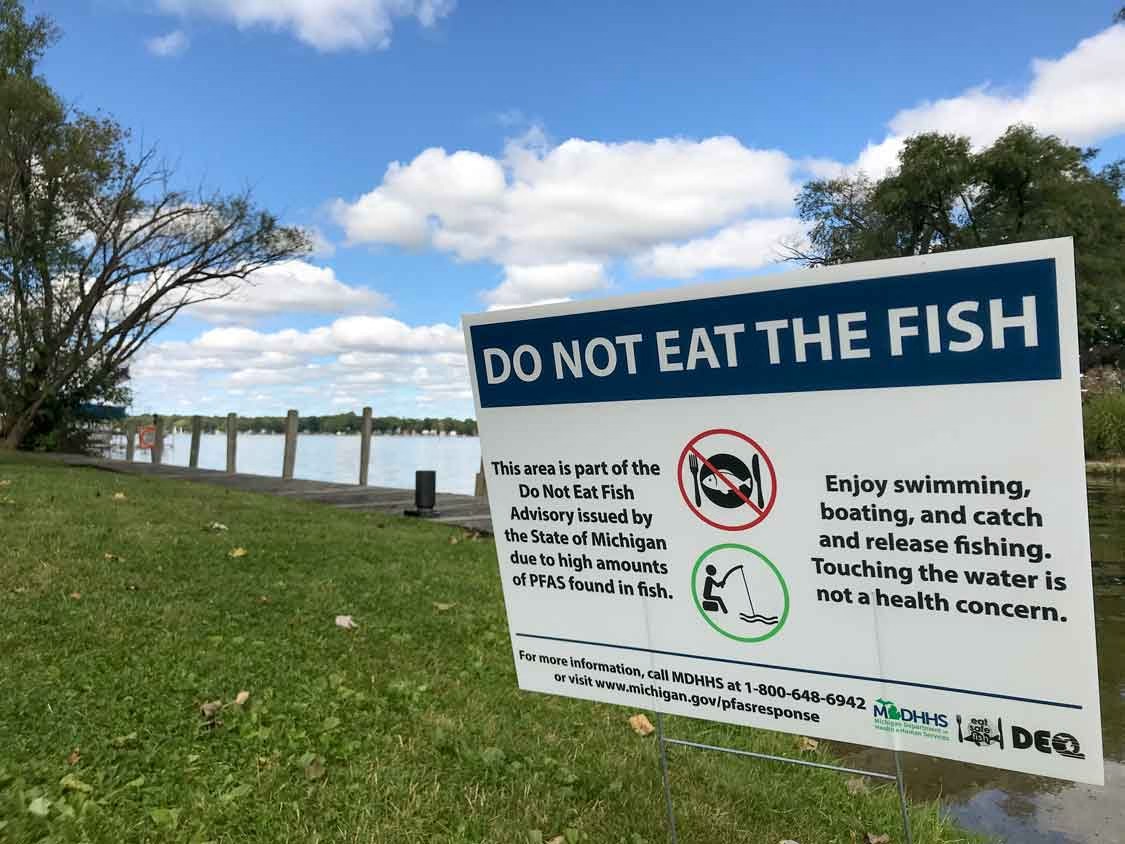
India Prime TV National Desk — Avoid eating fish caught from floodwaters! The Bihar Fisheries Department has issued a major warning amid the devastating floods coming from Nepal and rising water levels in several major rivers across the state.
Amid the devastating floods in Bihar caused by water coming from Nepal and the rising levels of major rivers, an extremely important and alarming warning has emerged. The Animal and Fisheries Resources Department of the Bihar Government has issued a strict health advisory for citizens across the state. The department has appealed to people to completely avoid eating, buying or selling fish caught from floodwaters or washed away by floodwater.
Why Are Fish Caught from Floodwaters Dangerous?
During floods, extremely strong water currents can cause fish to escape from ponds, lakes and fish farming centres and get carried into open water. However, this water is not clean or safe.
Fish Are Coming Into Contact With Sewage and Waste
According to experts from the Fisheries Division, floodwater passes through dirty drains and sewage, industrial waste and garbage dumping sites in cities and villages. As a result, large amounts of pollution enter the water. Rivers and waterlogged areas are currently heavily contaminated.
Consumption of Dead Animals (Carcasses)
During strong floods, many cattle and wild animals are swept away and die. Fish in the floodwater may consume the remains of these decomposing animals. As a result, various harmful toxins may accumulate in their bodies.
Major harmful elements that may be found in fish include:
- Bacteria and viruses: Dangerous microorganisms such as E. coli and Salmonella.
- Fungi: Fungal infections that may develop on the skin and gills of fish.
- Toxic chemicals: Heavy metals such as lead and mercury originating from sewage and industrial waste.
Nepal Floods and the Growing Crisis in Bihar’s Rivers
Following heavy rainfall in Nepal, flooding has occurred there and floodwater has now entered parts of Bihar. As a result, water levels in several major rivers of Bihar have crossed the danger mark.
‘Foreign’ Carnivorous Fish Washed Into the Kosi and Gandak Rivers
Along with floodwaters, some unknown and unusual fish species have reportedly been washed into districts of North Bihar that are not normally found in local ponds.
These reportedly include banned Thai Magur and Goita, among other dangerous carnivorous fish. These fish are considered potentially harmful to human health.
Districts Facing the Highest Risk:
- West and East Champaran
- Gopalganj and Saran
- Supaul, Saharsa and Madhepura
- Purnia and Katihar
Symptoms of Eating Contaminated Fish and Preventive Measures
If a person accidentally consumes fish caught from contaminated floodwater, they may face serious food poisoning and gastrointestinal infections.
Symptoms That May Appear Within Hours of Eating Contaminated Fish
The following symptoms may appear within a few hours after consuming fish exposed to contaminated floodwater:
- Persistent vomiting and severe abdominal cramps.
- Severe diarrhoea and dehydration.
- Sudden high fever and headache.
- Dizziness, weakness or difficulty breathing.
Health Department Guidelines
If you or someone in your family regularly eats fish, take special precautions during the flood season:
- Avoid Locally Caught Fish: Do not buy fish caught from floodwater accumulated in waterlogged areas, fields or along roads.
- Do Not Handle Unfamiliar Fish: If someone is selling unusually cheap or strange-looking fish in the market, avoid purchasing it.
- Contact a Doctor Immediately: If any of the symptoms mentioned above appear after eating potentially contaminated fish, do not rely solely on home remedies. Immediately contact a doctor or visit the nearest government hospital.
Conclusion: Until river water levels return to normal and the water becomes naturally cleaner, purchase food products only from safe and certified sources. Your awareness and caution can help protect your family from serious illness.
Jaipur Biological Park: Tiger Attacks Woman, Woman Dies on the Spot