IPTV Health Desk The global plastic waste crisis continues to escalate, with millions of tonnes of plastic polluting the oceans, landfills, and ecosystems worldwide. People around the world are increasingly searching for answers on this issue, asking questions like: How does plastic waste affect marine life? Which countries produce the most plastic waste? What are the main sources of plastic pollution? Additionally, topics such as plastic pollution, microplastics, ocean plastic crisis, plastic recycling, and single-use plastics ban have become highly searched worldwide. While developing nations are often blamed for mismanaged waste, high-income countries like the United States, Canada, Australia, and European nations are also significant contributors to the problem.
The Scope of the Plastic Waste Problem
Plastic production has skyrocketed, with over 400 million tonnes of plastic produced annually. Alarmingly, only 9% of all plastic ever produced has been recycled, while the rest accumulates in landfills, waterways, and natural habitats. According to recent data, nearly 70% of global plastic waste comes from just 20 countries.
Why is Plastic Waste Increasing?
Several factors contribute to the growing plastic waste crisis:
- Rapid Industrialization & Consumerism: Increasing production and consumption of packaged goods, especially in developing economies, drive plastic use.
- Single-Use Plastics: The rise of convenience culture has led to a surge in disposable plastics, such as straws, cutlery, and packaging.
- Inadequate Waste Management: Many countries lack proper infrastructure to handle the sheer volume of plastic waste produced.
- Low Recycling Rates: Recycling remains inefficient due to high costs, contamination issues, and limited technology.
- Plastic Dependence in Manufacturing: Industries, including food, healthcare, and retail, continue to rely heavily on plastic for cost-effectiveness and durability.
Plastic Waste by Country
To better understand the distribution of plastic waste across major contributing nations, the following table provides an overview of plastic waste generation:
| Country | Total Plastic Waste (Million Tonnes) | Per Capita Waste (Kg) | Recycling Rate (%) |
|---|---|---|---|
| United States | 17.2 | 221 | 5-6 |
| Canada | 1.33 billion (total waste) | 36.1 | <9 |
| Australia | 1.5 | 59 | Low |
| United Kingdom | High packaging waste | 114 (OECD Avg) | Moderate |
| European Union | Varies by country | 114 (OECD Avg) | Higher than US |
| India | 9.3 | 7.0 | Low |
| China | 2.8 | 18 | Moderate |
| Indonesia | 3.4 | 12 | Low |
| Nigeria | 3.5 | 15 | Low |
| Brazil | 1.4 | 13 | Moderate |
Future Trends in Plastic Waste Management
As plastic pollution worsens, governments and industries are taking steps to address the crisis. Here are some notable trends and measures taken by top plastic waste-producing nations:
- United States: Increasing focus on Extended Producer Responsibility (EPR) laws, banning certain single-use plastics, and developing advanced recycling technologies.
- Canada: Implementing a nationwide ban on single-use plastics, improving waste collection systems, and investing in biodegradable alternatives.
- Australia: Strengthening policies on plastic waste exports, expanding recycling initiatives, and encouraging innovation in sustainable packaging.
- European Union: Enforcing strict plastic reduction laws, promoting circular economy initiatives, and setting ambitious recycling targets.
- India & China: Implementing large-scale plastic bans, promoting biodegradable substitutes, and investing in waste-to-energy projects.
Marine Species Under Threat from Plastic Pollution
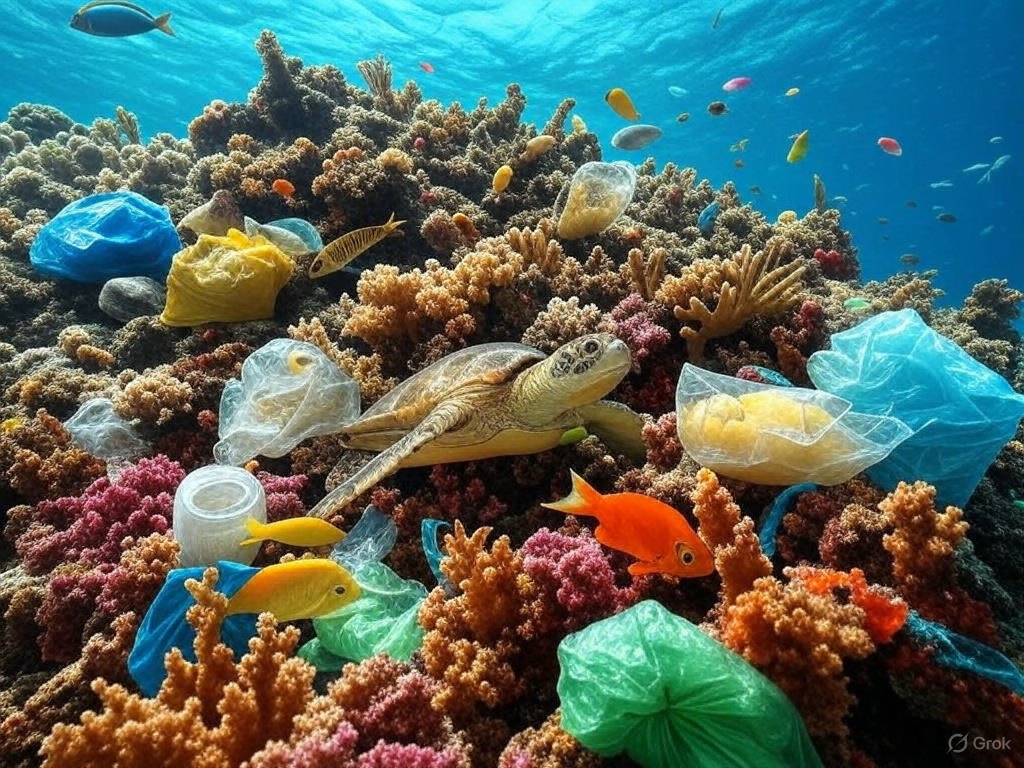
Plastic waste in the ocean has devastating consequences for marine life. Over 700 marine species are affected by plastic pollution, with millions of animals dying each year due to ingestion or entanglement. Some of the most at-risk species include:
- Sea Turtles: Frequently mistake plastic bags for jellyfish, leading to fatal blockages in their digestive systems.
- Seabirds: Over 90% of seabirds have plastic in their stomachs, impacting their health and survival.
- Whales & Dolphins: Large marine mammals often ingest plastic debris, causing malnutrition, internal injuries, and death.
- Fish & Shellfish: Microplastics accumulate in the food chain, affecting not only marine species but also human consumers.
The Global Impact of Plastic Waste
The environmental impact of plastic pollution is devastating:
- Oceans: Over 8 million tonnes of plastic end up in the ocean each year, harming marine life.
- Microplastics: Found in drinking water, food, and even human blood, posing health risks.
- Climate Change: Plastic production and incineration contribute significantly to greenhouse gas emissions.
Solutions and the Path Forward
While bans on single-use plastics, better waste management, and recycling efforts are steps in the right direction, experts emphasize the need for:
- Reducing Plastic Production: Encouraging reusable alternatives and eco-friendly materials.
- Improved Recycling Infrastructure: Investing in better waste sorting and recycling technologies.
- Global Cooperation: High-income nations must take responsibility for their waste and support developing countries in managing plastic pollution.
The fight against plastic pollution is far from over, but with collective global efforts, sustainable policies, and consumer awareness, a cleaner and plastic-free future is achievable.
What can you do?
- Reduce your plastic consumption by choosing reusable products.
- Support businesses that prioritize sustainability.
- Advocate for stronger environmental policies and corporate responsibility.
🚨 The time to act is now. Our planet depends on it. 🌍
The Global Population Crisis – Why Birth Rates Are Plummeting