
IPTV Desk In a shocking revelation, recent scientific studies have confirmed that microplastics—tiny plastic particles invisible to the naked eye—are making their way into human bodies through food, water, and air. This raises critical questions: Can plastic enter the human bloodstream? How do microplastics affect human health? What diseases are linked to plastic exposure? As global concern over plastic pollution intensifies, keywords such as microplastic contamination, plastic toxicity, human health risks of plastic, plastic in blood, and plastic waste impact on the body are trending worldwide.
How Plastic Invades the Human Body
Synthetic debris infiltrates the human system through multiple channels:
- Ingestion: Contaminated seafood, bottled water, table salt, and even fresh produce carry microplastics.
- Inhalation: Airborne polymer particles from industrial emissions, synthetic textiles, and household dust are easily inhaled.
- Dermal Absorption: Skin exposure to synthetic compounds in personal care products and packaging may allow microplastic penetration.
Major Study Detects Microplastics in Human Blood
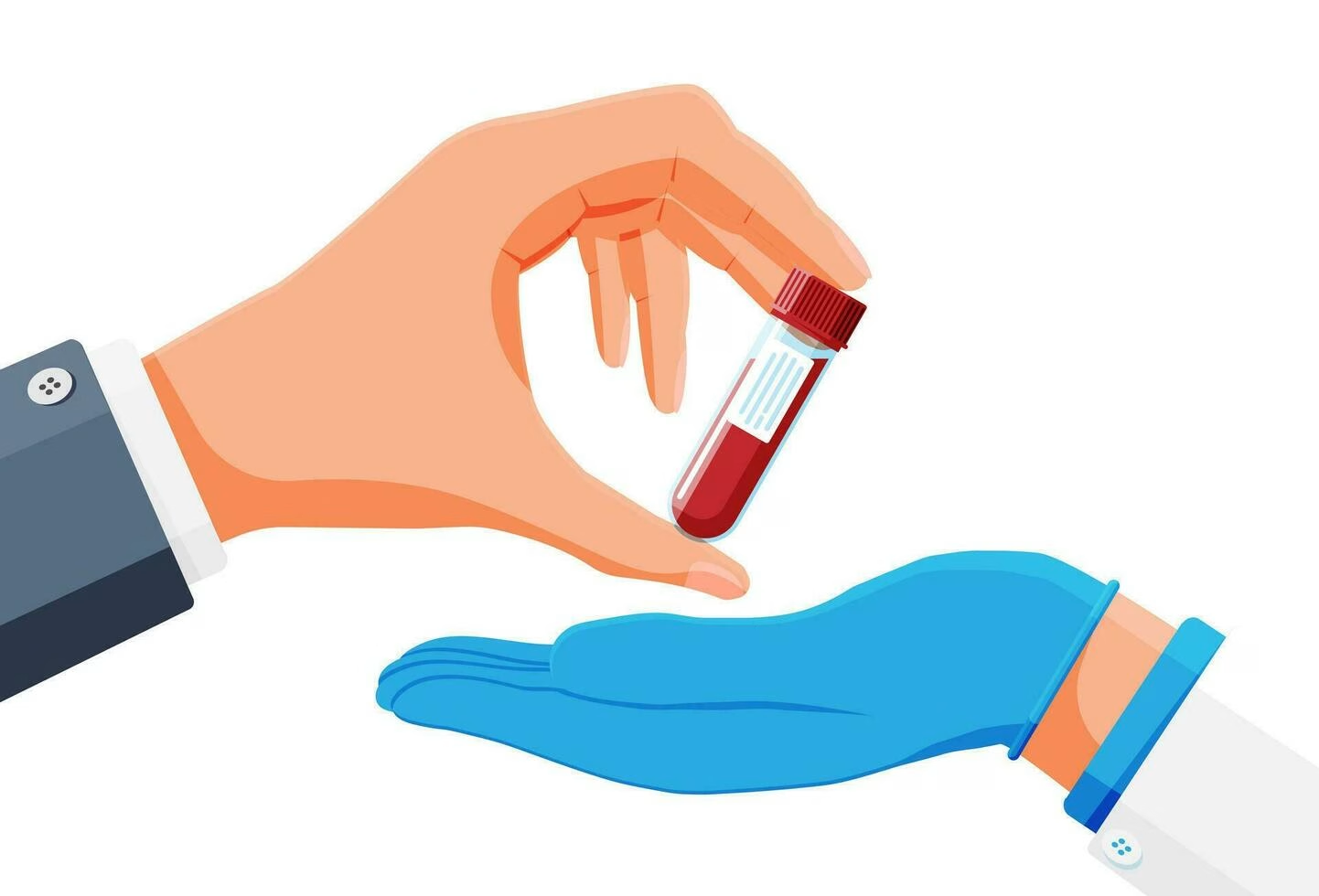
A groundbreaking study published in Environment International has confirmed the presence of microplastics in human blood for the first time. Scientists detected synthetic particles in 77% of tested blood samples, including polyethylene terephthalate (PET), polyethylene (PE), and polystyrene (PS)—widely used in packaging, bottles, and everyday products. These findings raise concerns about long-term exposure and its potential health risks.
Health Effects of Plastic Exposure
Plastic chemicals and particles pose a major threat to human health, potentially leading to severe illnesses. Here’s how different types of plastic affect the body:
| Plastic Type | Source | Affected Organ | Health Impact |
|---|---|---|---|
| Polyethylene (PE) | Plastic bags, bottles, packaging | Lungs, Bloodstream | Inhaled microplastics may cause respiratory issues, inflammation |
| Polyethylene terephthalate (PET) | Water bottles, food containers | Liver, Kidneys | Toxic chemical leaching may lead to metabolic disorders |
| Polystyrene (PS) | Disposable cutlery, food trays | Digestive System | Can disrupt gut microbiome and cause gastrointestinal issues |
| Polyvinyl chloride (PVC) | Pipes, synthetic leather | Lungs, Blood, Liver | Carcinogenic potential, hormone disruption, immune effects |
| Polypropylene (PP) | Yogurt containers, bottle caps | Reproductive Organs | May affect hormone function and fertility |
| Microplastics | Contaminated food & air | Bloodstream, Brain | Potential risk of neurotoxicity and cell damage |
Health Impact: Plastic Exposure and Cancer Risk
Synthetic waste pollution is emerging as a silent killer, contributing to an increasing number of deaths and suspected cancer cases worldwide.
Alarming Global Death Toll Due to Synthetic Waste
A recent report estimates that 400,000 to 1 million people die annually in developing countries due to diseases linked to synthetic pollution. These fatalities stem from:
- Burning synthetic waste, releasing toxic fumes linked to respiratory diseases.
- Contaminated water supplies, exposing populations to harmful polymer-derived chemicals.
- Exposure to industrial waste, causing chronic health conditions in affected communities.
Polymers and Cancer: A Growing Concern
Scientists warn of a direct link between synthetic exposure and cancer development:
- Microplastics and Carcinogenesis: Nanoplastic particles can infiltrate organs, causing DNA damage and increasing cancer risk.
- Toxic Chemical Additives: Over 400 chemicals used in synthetic production—including PFAS, phthalates, and parabens—are known to disrupt hormones and have been linked to breast, liver, and kidney cancer.
- Occupational Exposure: Workers in polymer manufacturing and recycling facilities have higher rates of leukemia, lymphoma, and brain cancer due to prolonged chemical exposure.
Global Governments Take Action Against Plastic Pollution
Amid rising concerns, world leaders and health organizations are intensifying efforts to combat plastic pollution. Key initiatives include:
- Ban on Microplastics: The EU, Canada, and several U.S. states have banned microbeads in cosmetics and cleaning products.
- Restrictions on Single-Use Plastics: Over 60 countries, including India, France, and Kenya, have imposed bans on plastic bags, straws, and disposable cutlery.
- Innovations in Biodegradable Materials: Scientists are developing plastic alternatives from seaweed, mushrooms, and biodegradable polymers.
- Enhanced Recycling Efforts: Governments are investing in advanced waste management to prevent plastics from contaminating ecosystems.
Public Reaction and Growing Awareness
Activists and environmentalists are urging consumers to take action against plastic exposure. The movement has gained momentum on social media under hashtags like #PlasticFree, #MicroplasticThreat, and #BanSingleUsePlastics.
Conclusion: Urgent Call for Change
With mounting scientific evidence linking plastic pollution to severe health risks, experts stress that immediate action is required. Reducing plastic consumption, enforcing stricter regulations, and promoting alternative materials are essential to safeguarding both human health and the environment.
What Can You Do?
- Reduce your plastic footprint by avoiding single-use plastics and opting for reusable alternatives.
- Support policy changes that restrict plastic production and encourage sustainable practices.
- Spread awareness about plastic’s impact on health and demand action from policymakers.
🚨 This is a health crisis unfolding before our eyes. The world must act now to protect future generations. 🌍
Global Plastic Waste Crisis: A Deep Dive into the World’s Biggest Polluters



3 thoughts on “Plastic in Blood? Study Confirms Alarming New Health Risk”